

How to Introduce a New Dog to Your Current Dog
Most dogs are social, but even friendly dogs can become territorial or overwhelmed if a new dog enters their space unexpectedly.
That’s why a proper introduction is so important! Start in a neutral location, observe both dogs’ body language, and control the pace of the interaction. Doing so helps both dogs feel safe and reduces the chance of conflict.
In this article, we give you tips on how to make the first meeting successful, how to prevent resource guarding, and what to do during the first few weeks of the new relationship.
Key Takeaways
- First impressions between dogs shape their long-term relationship, and a rushed introduction can create tension that takes weeks or months to undo.
- Use a neutral location, like a park or open field, where neither dog has territorial claims, and make sure each dog has its own handler.
- Start with parallel walking at about 20 feet apart, brief leashed greetings, high-value treats to reinforce calm behavior, and gradually increasing contact over multiple sessions.
- Good signs include loose wagging tails, mutual sniffing, and relaxed posture. Bad signs include stiff body, hard stares, raised fur, and growling.
- If aggression or tension persists after several weeks of supervised introductions, consult a professional dog trainer or certified animal behaviorist.
Why a Proper Introduction Matters
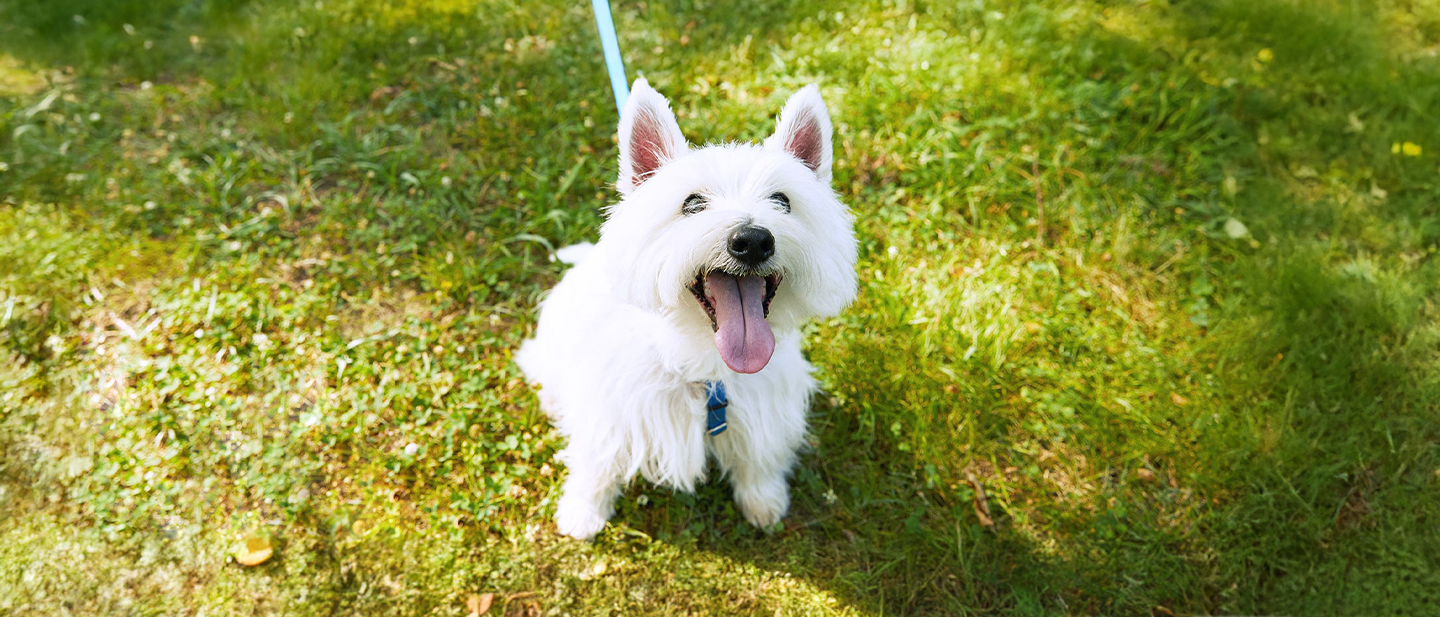
The first meeting between two dogs is extremely important because it’s when they learn how to behave around each other. If the introduction doesn't go well in some way, one dog may become aggressive or even hostile to the other dog.
A bad first impression like this can be hard to fix. In fact, it can take months of extra training to undo the first few minutes of the introduction. Don’t let this happen to you and your dog(s)!
Make a plan for the introduction, and take it slow so both dogs get off on the right paw and can live or play together peacefully.
8 Tips on How To Introduce Dogs Successfully
1) Choose a Neutral Location
If dogs meet where either of them lives, the resident dog might feel like they have to protect their territory, so arrange for the meeting to be in a neutral location (i.e., a place that neither dog "owns").
Good options include a park, an open field, or a roomy, fenced area with enough space to move freely without feeling crowded. The key is that the location is outside both dogs’ normal territory.
It’s also a good idea for you and the other dog’s parent to be there. That way, each person can handle their own dog without anyone feeling crowded or trapped.
2) Introduce One Dog at a Time
If you’re bringing a new dog into an existing pack, introduce the newcomer to one dog at a time. Setting up a “mass meeting” can be scary for everyone involved and might cause the pack members to gang up on the stranger.
Introducing one dog at a time makes it easier for them to get to know each other at a comfortable pace, without stress cues from other dogs getting in the way.
This type of one-on-one interaction also allows you to watch their behavior and step in if one dog gets overwhelmed.
3) Use Leashes to Control the Interaction
When introducing two dogs for the first time, be sure they’re both on a leash, but keep the leashes loose so they don’t feel trapped or tense.
If you don’t perceive any aggression in the first few moments, you can drop the leash so that it drags on the ground, allowing your dog to move more naturally. If tension develops, pick the leash up again so you can control your dog should a fight break out.
If your dog usually barks or lunges while on a leash, try another method of introduction to avoid this antagonistic behavior.
4) Be Aware of Body Postures
Body language is a clear indicator of how your dog is feeling, so watch for signs that show they’re happy or tense.
A happy dog will have a loose, wiggly body and will wag their tail gently. They may also “play bow,” where they put their chest on the ground but keep their rear end up. This body language is a good sign!
An unhappy or tense dog will be stiff, stare intensely, or hold its breath. This body language is a bad sign, so stop the interaction immediately to avoid a negative first impression.
5) Try Parallel Walking
Parallel walking is a great way to introduce dogs before letting them go nose-to-nose with each other. Here’s how it works.
Walk both dogs in the same direction about 20 feet apart so they can get used to each other’s scent and presence without the pressure of a face-to-face meeting. If either one can’t relax during the walk, they aren’t ready to meet up close yet.
6) Move to a Close-Up Greeting
Once both dogs are calm during the parallel walk, you can let them get closer in a neutral area (see Tip #1).
Stop the walk, let them sniff each other for a few seconds, and then restart the walk together. This keeps the energy and stress low and prevents both dogs from getting too excited or annoyed with one another during the first few minutes.
7) Use Treats to Reinforce Calm Behavior
Rewards can go a long way toward keeping your canine friend relaxed when they’re introduced to new dogs!
If you don’t see any aggression or tension when your dog meets someone new, give them a “high-value” treat, like a small piece of chicken, cheese, or their favorite doggy treat.
You can also use a treat to redirect your dog’s attention back to you if they get too focused on the other dog (which is usually a sign that they’re getting tense).
However you use treats, be sure to give both dogs the same amount. This teaches them that being near the other dog results in good things and helps them form a positive association in their mind.
8) Choose the Right Play Partner
Not every dog will be best friends with your dog right away. That’s OK! The key is to choose the right play partner for your pup.
Look for friendly, balanced play where the dogs take turns chasing each other. If one dog stops playing or tries to hide, they could be uncomfortable or tired. That’s when it’s time for you to step in and separate the dogs.
Keep in mind that age and energy level can play a big role in how two dogs get along. For example, an old, quiet dog might get easily frustrated by a hyper puppy and may need to walk away and take frequent breaks.
Advice for Bringing Your New Dog Home
Table of Contents
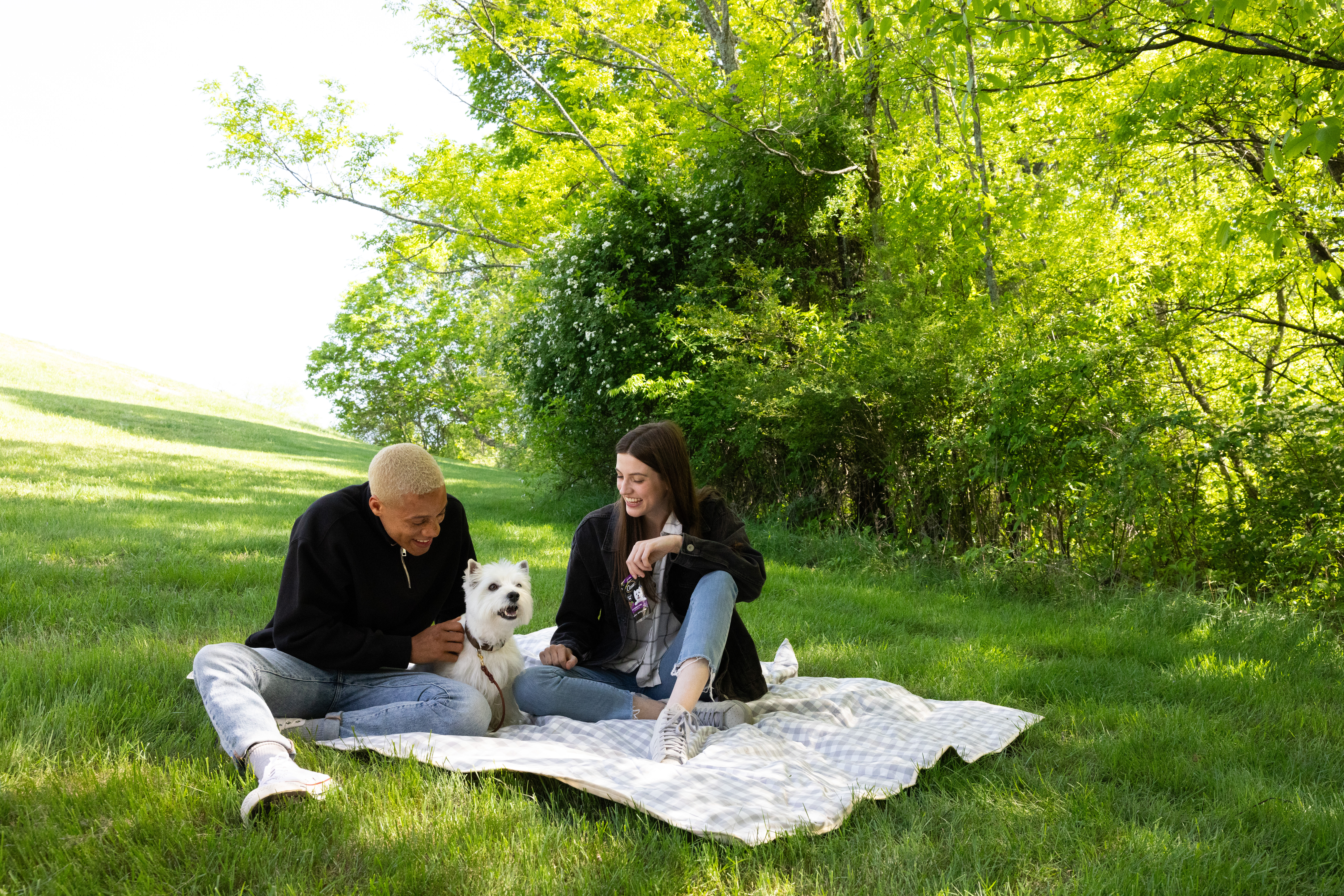
After a successful first introduction, your new dog and resident dog can try interacting at home.
To make this easier and less stressful for both dogs, start at a neutral location. Walk home with the dogs together, and act as though nothing has changed. If you have a yard, let them hang out there for a while as you supervise. When they're ready, let them in the house.
If the dogs have gotten along well in the neutral location, on the walk, and in the yard, allow the resident dog to be off the leash first while letting the new dog or puppy explore the house on the leash.
If the resident dog demonstrates friendly manners, remove the new dog’s leash as well. However, if the resident dog displays any aggression or territoriality, it's best to keep them separated while they adjust.
What to Do During the First Few Weeks

The first few weeks of two dogs getting to know each other are crucial for their long-term well-being. To give them the best shot at a healthy, happy relationship, try to keep your existing routine as normal as possible.
For example, when it's mealtime, feed your resident dog just like usual. Then feed your new dog in a different room so there's no stress over food.
Similarly, keep up your regular exercise and playtime schedule, making sure both dogs get plenty of love and attention.
Keep the dogs' interactions closely supervised for the first two weeks, until they’re both fully accustomed to each other. Avoid leaving them alone together until you're sure they're comfortable with each other, and reinforce positive behavior with lots of treats and pets.
Watch closely for situations that could lead to conflict, such as fighting over toys or becoming overly excited. Be on the lookout for signs that either dog is anxious or uncomfortable, such as growling, snapping, showing teeth, hunching their back, staring, and raising their fur.
If one or the other dog displays these signs, be ready to distract or separate them to avoid conflict. Over time, they’ll learn to tolerate each other, or even become best buddies!
If you still run into issues, a professional dog trainer or animal behaviorist may be able to help.
Do's and Don'ts When Introducing Dogs
Use this quick-reference chart before and during the introduction to avoid the most common mistakes when bringing a new dog into the household.
Do | Don't |
Always use neutral ground for the first meeting | Introduce dogs inside the home or yard first |
Keep leashes loose so dogs do not feel restrained | Pull tight on the leash or yank dogs apart during the greeting |
Watch for body language shifts throughout the entire interaction | Only check body language at the start and then stop paying attention |
Keep initial meetings brief and gradually increase interaction time | Rush dogs into extended face to face contact on the first meeting |
Give both dogs equal attention and affection during the process | Focus all attention on the new dog while ignoring the resident dog |
Allow each dog a separate decompression area between interactions | Force dogs to share the same space before they are ready |
Account for each dog's individual needs and history with reactivity | Assume both dogs will react the same way to the introduction |
Plan for several meet ups before expecting a bond to form | Expect the dogs to become best friends after one interaction |
Support Your Dogs Through the Transition with CESAR®

Learning how to introduce dogs is one of the best ways to help your pooch make friends and to keep the peace in your household. A big part of that success comes down to food!
A consistent feeding routine helps both dogs feel secure during the adjustment period, so feed each dog in a separate space with their own bowl to reduce competition and reinforce calm behavior around food.
For small breeds, CESAR® Wet Dog Food is the perfect choice!
Countless dog owners choose CESAR® food during training and introductions because of the soft, tender textures, the gourmet flavors (like filet mignon, grilled chicken, and slow-cooked beef), and the convenient single-serve trays.
CESAR® Wet Dog Food is 100% complete and balanced nutrition for adult dogs who are on their own or getting introduced to their new best friend for the first time!
Explore the full lineup of CESAR® products to find favorites for your growing pack.
References
- https://www.preventivevet.com/dogs/resource-guarding-in-dogs
- https://www.akc.org/expert-advice/training/how-to-introduce-dogs/
- https://www.oregonhumane.org/portland-training/introducing-your-new-dog-to-your-resident-dog/
- https://bestfriends.org/pet-care-resources/how-introduce-dogs-each-other
- https://sdhumane.org/resources/introducing-dogs-at-home-complete/
- https://indoorpet.osu.edu/dogs/new_additions_dogs/introducing-new-dog-your-current-dog
 Click the chat button to ask a Question or chat with an Advisor!