
Why Is My Dog Not Eating His Food but Will Eat Treats?
Is your dog not eating their food but will eat treats? Sometimes, your dog may develop a taste for the "good stuff" and decide to hold out for a tasty treat. Other times, they might just be feeling a little bored with their usual food.
In this guide, we’ll cover the most common reasons why your dog might be eating treats but skipping meals, signs that indicate they should see a veterinarian right away, and practical strategies to get your dog excited about mealtime again.
Key Takeaways
- Picky eating habits, too many treats, stress, routine changes, and food boredom can all lead dogs to refuse meals.
- Dental pain, digestive issues, and illness can make eating regular food uncomfortable while treats remain appealing.
- Establish consistent mealtimes, limit treats, try warming food to enhance aroma, and consider switching to a more palatable option like wet food.
- If your dog skips meals for more than 24 hours or shows additional symptoms, consult your veterinarian promptly.
Why Your Dog Refuses Food but Still Eats Treats
Behavioral Reasons
Causes | What's Happening | How It Usually Looks At Home | Best Next Steps |
Picky Eating Habits | Dog learned refusing food gets something better | Sniffs bowl, walks away, then eagerly takes treats | Stop treats between meals; offer food at set times only |
Too Many Treats | Treats have replaced meal calories | Eats treats all day but ignores meals | Limit treats to under 10% of daily calories |
Changes In Routine Or Environment | Routine disruption causes confusion | Stops eating after schedule, location, or household changes | Maintain consistency; most dogs adjust in a few days |
Stress Or Anxiety | Stress suppresses appetite | Skips meals during storms, visitors, or routine changes | Feed in a quiet area; keep routines consistent |
Food Boredom | Same food has become monotonous | Used to eat well but gradually lost interest | Warm food or try a new flavor or texture |
Picky Eating Habits
If your dog is holding out for something other than their regular food, don’t fret. They’ve likely learned that skipping their kibble will result in a tasty treat. This behavior is particularly common in small breeds that are more prone to developing picky eating habits.
Fortunately, this is a learned behavior that your dog can unlearn with a bit of work on your part. We’ll discuss how to get your dog eating regular meals again later on in this article.
Table of Contents
Too Many Treats
Treats are calorie-dense, and even a few of them can make your dog feel full before dinner. If your dog isn’t hungry for their meal, they might be snacking too much throughout the day.
Of course, we all love to spoil our dogs, but those extra snacks between meals add up fast!
Changes in Routine or Environment
Dogs feel their best when they know what to expect. Moving to a new home, changing feeding times, or even having a different person feed them can throw their appetite off.
Stress or Anxiety
Just like you, your dog can lose their appetite when they feel overwhelmed. Loud noises, like thunderstorms, or big changes in the household, such as a new pet, can trigger stress.
When your dog gets anxious, they might ignore their bowl but still accept a treat because snacks are linked to positive, comforting experiences.
Food Boredom
For some dogs, eating the same thing every day can lead to food boredom. They might ignore what you put in their bowl while still begging for something new or exciting.
Medical Reasons
Causes | What's Happening | How It Usually Looks At Home | Best Next Steps |
Dental Problems | Chewing causes pain | Avoids kibble but eats soft treats; drools or has bad breath | Schedule a dental exam; offer soft food |
Digestive Issues | Eating triggers nausea or discomfort | Associates food with feeling unwell; vomiting, diarrhea, or gas | Consult veterinarian for dietary adjustments |
Illness Or Pain | Illness reduces appetite | Lethargy, weight loss, increased thirst, or behavior changes | Seek veterinary evaluation promptly |
Dental Problems
If your dog is turning up their nose at crunchy kibble, it might not be pickiness. It could be a problem with their teeth.
Dental issues like gum disease, broken teeth, tooth decay, or an oral infection can make chewing solid food painful for your pup. Soft treats are often easier to chew and swallow, so your dog may hold out for those.
Keep an eye out for bad breath, red gums, or tilting their head to one side while eating (to avoid the painful spot). A quick trip to the vet for a professional cleaning can help them get back to crunching happily on their regular food!
Digestive Issues
When your dog’s tummy is upset, they may begin to associate their regular food with feeling unwell. Conditions like food sensitivities and gastritis can cause nausea, making your pup avoid their dinner while still accepting a tasty snack.
If you notice excessive gas, vomiting, or changes in your dog’s stool, it’s time to take action. Adjusting their diet and getting a veterinarian’s advice are the best ways to soothe your dog’s sensitive stomach.
Illness or Pain
Dogs are experts at hiding when they don’t feel well, but a sudden loss of appetite is a major clue. Many illnesses can reduce a dog’s hunger, even if they still show a little interest in delicious treats.
Watch closely for signs like lethargy, weight loss, or drinking more water than usual. Because a change in eating habits is often the first sign of a health problem, the next step is to get your dog to the veterinarian.
How to Get Your Dog Eating Regular Meals Again
1) Establish a Consistent Feeding Schedule
Stick to a firm routine by offering food at the same time every day. Leave the bowl down for 20 minutes, then remove it. This teaches your dog that mealtime is for eating.
2) Reduce Treats
Limit snacks to just 10% of your dog’s daily calories, and avoid giving treats near dinner so that your dog stays hungry. Instead of using treats as a reward for good behavior or training, try offering a few pieces of their regular kibble.
3) Make Meals More Appealing
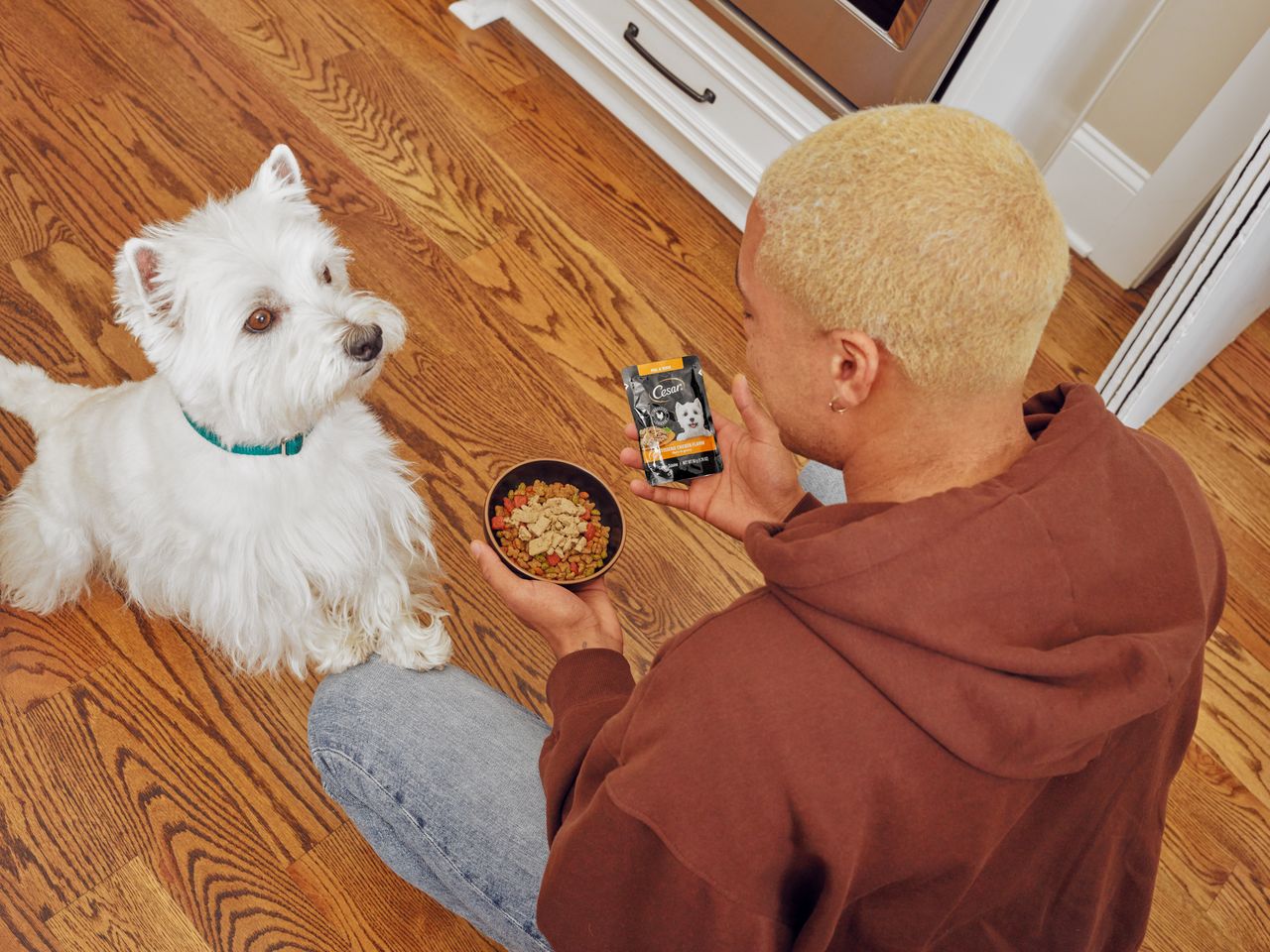
Make meals more appetizing by mixing wet and dry food or adding a savory topper to their bowl. Or, you can add water and warm their dry food. This releases delicious aromas and makes the bowl impossible to resist for even the pickiest pups!
4) Create a Calm Feeding Environment
Feed your dog in a quiet, low-traffic spot to reduce anxiety. Avoid hovering while they eat, as extra attention can be distracting. A peaceful space helps them focus on their delicious meal instead of what’s going on around them.
5) Transition to a New Food Gradually
When switching flavors or textures, mix the new food with the old food over the course of 7 to 10 days. Start with 25% new food and 75% old food, and gradually increase the amount of new food.
Monitor your dog for any signs of digestive upset during the transition and slow down if needed.
If these strategies do not improve your dog's eating within a few days, consult your veterinarian to rule out underlying health issues and receive personalized recommendations.
When to See a Veterinarian
If your adult dog skips meals for 24 hours, seems more tired than usual, or shows symptoms such as vomiting, diarrhea, or excessive drooling, it’s time to call your veterinarian.
Puppies and senior dogs are more vulnerable to missed meals, so contact your veterinarian sooner than 24 hours if your young or older dog refuses to eat.
Similarly, if your dog is losing weight despite eating treats, they’re not getting enough nutrition from their regular food. Talk to your veterinarian right away.
Note: Always contact your veterinarian if you’re unsure whether your dog's eating behavior is cause for concern. Early intervention can prevent minor issues from becoming serious problems.
Make Mealtime Exciting with CESAR® Wet Food

Rediscover the joy of a clean bowl with CESAR® Shelf-Stable Fresh Food For Dogs. Crafted with high-quality protein as the first ingredient, these gourmet recipes feature real food texture that even the pickiest eaters will love.
Explore all the delicious options that the CESAR® brand has to offer!