
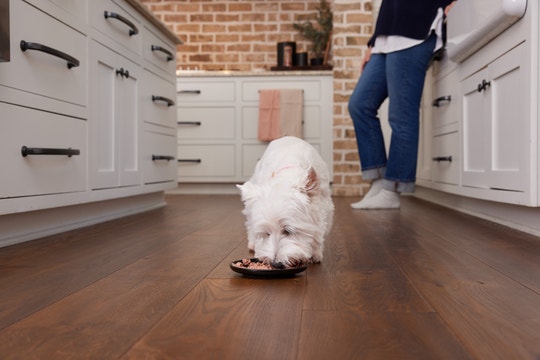
Is Your Dog a Picky Eater? Find Out Why and What You Can Do
If your dog only sniffs at their food, takes one bite and then walks away, or never comes to their bowl at all, you may have a picky eater. Picky eating is not unusual in dogs, but it’s still tough to understand why your dog doesn’t want to eat and what to do about it.
This guide can help you identify if your dog is a picky eater, why they won’t eat, and how to encourage them to enjoy their food once again.
Key Takeaways
- Dogs who are picky eaters might refuse food regularly, prefer certain textures over others, or not finish what’s in their bowl.
- Dogs might also be considered picky if they only eat when they’re hand-fed or refuse to eat until you give them something different.
- Common triggers for picky eating include stress caused by change in the environment, overeating between meals, and becoming bored with their regular food.
- Help your dog overcome picky eating by making their mealtimes more regular, adding variety to their meals, creating a more engaging mealtime, and reducing treats.
Table of Contents
Signs Your Dog Is a Picky Eater
Your dog might be a picky eater if you notice one or more of these signs:
- Abandoning their meals: Your dog comes to the bowl initially but then walks away. They may sniff it before they leave or even move it around with their nose or mouth.
- Only eating certain parts of their meal: Your dog cherry-picks certain pieces of food, but leaves others (often with different textures or flavors) behind.
- Grazing: It takes a long time for your dog to finish a meal.
- Refusing to eat unless you hand-feed them: Feeding your dog from your hand is the only way they’ll eat.
- Requiring special mixes: “Plain” food doesn’t do it for your dog anymore. They need special additions thrown into the mix.
- Eating treats but not regular dog food: Treats excite your dog, but regular food does not.
- Skipping meals: Your dog will eat one meal, like breakfast, but then won’t eat the other.
Common Picky Eating Patterns
Pattern | What It Looks Like | Best Approach |
Texture Selective | Eats wet, refuses dry (or opposite) | Gradually mix textures over 7-10 days |
Flavor Boredom | Used to love food, now walks away | Rotate between 2-3 proteins monthly (don’t forget to gradually mix in the new protein even if feeding the same brand) |
Attention Seeking | Only eats when owner helps | Set timer, leave room during meals |
Grazer | Nibbles throughout day | Strict 15-minute meal windows |
Treat Spoiled | Refuses meals, begs for treats | Eliminate all treats for a certain time period |
Environmental | Won't eat in certain locations/situations | Create consistent, quiet feeding space |
Why Are Some Dogs Picky Eaters?
Spoiled Appetite
One of the most straightforward culprits of picky eating is a spoiled appetite. Your dog may simply be too full at mealtime. If you’re training your dog and using treats for reinforcement, you may be unintentionally filling them up between meals.
This is especially true if you give your dog high-value treats, like cheese and meat. They may prefer these treats to their regular kibble or wet food. They might even “hold out” at mealtime, hoping you’ll get the picture and give them the good stuff!
Age
Your dog may be exhibiting age-specific picky eating behaviors. Here’s what that might look like at different life stages:
- Puppies may reject foods initially as they learn about new tastes and textures.
- Adult dogs tend to become picky if they’re on an inconsistent feeding schedule.
- Seniors might need to transition from hard, crunchy food to softer textures because of new dental sensitivities or a reduced sense of smell.
New Home or Major Routine Change
Your dog might be balking at their food because of a disruption in their life. Whether you’re in the midst of a move, adopting another dog, or shifting their usual schedule, try to be patient.
Dogs often need time to adjust to new locations or schedules. Once their routine is consistent and predictable, they’ll probably return to their normal eating habits.
Stress and Anxiety
When your dog feels stress, their body releases hormones that suppress their appetite. This usually lasts between three and five days, or until they feel more secure and the newness around them begins to feel familiar.
In addition to the environmental triggers above (moving, adding to the family, weather changes, and shifting schedules), there are other reasons why your dog might experience stress.
They might feel anxiety when new people, new pets, or a new baby come into your home. The dynamics of their space change, and they may need time to get used to the new sounds and smells that come with strangers.
If a week goes by and your dog still seems stressed, it’s a good idea to check in with your veterinarian.
Boredom

If you’ve run through all of the possible reasons your dog has become a picky eater and none of them seem to fit, the reason may be that they’ve simply gotten bored with the same flavor or texture of food. Try changing it up within the same brand family.
What to Do If Your Dog Is a Picky Eater
Try a New Food or a New Way of Serving It
If you think your dog is tired of their usual food, you can try rotating flavors within the same brand family. But be slow and intentional about it. Gradually mix the familiar flavor with the new one to prevent an upset stomach.
You can also try warming up your dog’s wet food to enhance its aroma. And if your dog eats kibble, try mixing in a little water or broth to make it more appealing.
Create Set Meal Times
Feed at the same time morning and night, and only leave the food available for a limited time. If your dog eats within the timeframe, great. If not, removing it might change their behavior at the next meal.
To help them stick with the routine, try not to give your dog snacks or treats between meals. You want your dog to be hungry when it’s time for a meal!
Give Them Plenty of Exercise

Give your dog exercise to stimulate their appetite. Regular walks, playtime, and any other activity that your dog can do with you all help keep them on a successful eating schedule.
Make Sure You’re Not Overfeeding
Sometimes, too much food can throw your dog’s appetite off. Make sure you follow the measurement guidelines on the dog food packaging, and avoid giving your dog free rein to eat.
Make Mealtimes More Fun
Puzzle feeders and slow-feed bowls are designed to slow your dog’s eating speed and stimulate their brain. This combination can turn a picky eater into an engaged one!
You can buy many different puzzle feeders and slow-feed bowls in a variety of shapes, sizes, and styles. You can also make one yourself by putting a tennis ball or other safe obstruction into your dog’s bowl.
Consult Your Veterinarian
If your dog exhibits picky behaviors for more than a week or you’re worried about them at any point, get in touch with your veterinarian. A check-up to rule out issues like dental pain and digestive problems is always a good idea.
Remember to bring your dog’s feeding history with you, such as the food they eat, their eating patterns, and a list of what changes you’ve noticed.
Be Patient With Your Picky Eater!
There are many reasons why your dog might suddenly become a picky eater. If you’re patient, you can pinpoint the cause behind their picky eating and try some of our suggestions for getting your pet excited about eating again.
You might also consider giving your dog CESAR® food for a gourmet meal with nutrition you can trust.
And don’t forget to stick to a consistent meal schedule, avoid giving too many treats, and make sure your dog gets the exercise they need. They’ll be back to gobbling up their food before you know it!
Contributor
Jessica Gilliam is a veterinarian with more than 14 years of clinical experience, specializing in small animal medicine. She is passionate about surgery, dentistry, mentorship, and education. Jessica serves as the Community Chair for the Tennessee Market at Banfield and oversees Mars Petcare’s PetConnect chat, which offers free educational support for pet parents. In her free time, she enjoys hiking and baking
Frequently Asked Questions
Pick the Right Dog Food
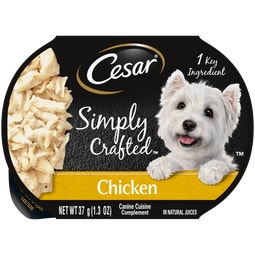
Simply Crafted™ Chicken
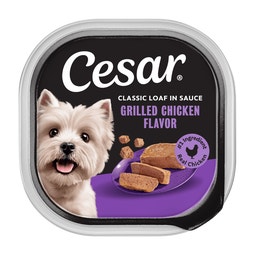
Classic Loaf in Sauce Grilled Chicken
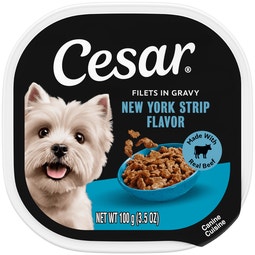
Filets in Gravy New York Strip
More Articles Like This

How To Select the Best Dog Food for Small Dogs
Do you want to give your pup a tasty and nutritious diet they’ll love? We’ll tell you what to look for when choosing the best dog food for small dogs.
EXPLORE
How Much Wet Food Should You Feed Your Dog?
Curious about how much wet food to feed a dog? Learn about the factors that affect this decision and how to maintain a well-balanced diet for your pup.
EXPLORE
What Foods Can Small Dogs Eat and What Should They Avoid?
Learn what food small dogs can eat and what they should avoid, as well as feeding tips to help keep your canine friend happy and active.
EXPLORE
How to Care for a Small Dog: A Guide to Smaller Breeds
Learning how to take care of a small dog is important for your pet’s wellbeing and can help them live a happy, healthy life. Here’s what you need to know.
EXPLORE