

What Are the Benefits of Mixing Wet and Dry Dog Food?
Mixing wet and dry dog food gives your dog the best of both worlds: the dental benefits of dry kibble and the flavor and moisture of wet food.
This mixed feeding method can also help balance your dog’s nutrition and boost their hydration. Plus, adding a little variety to your dog's diet can make every meal feel like a special occasion!
In this guide, we’ll talk about how to mix wet and dry dog food, the benefits of mixed feeding, and helpful tips for creating healthy meals your dog will love.
Key Takeaways
- You can mix wet dog food and dry dog food as long as both are labeled “complete and balanced” for your dog’s life stage.
- Mixing wet and dry dog food enhances taste, hydration, and variety.
- Combine wet food and dry food gradually over several meals while maintaining the correct calorie balance for your dog.
- Ask your veterinarian for guidance, especially if your dog has food sensitivities, dental concerns, or weight issues.
Can You Mix Wet and Dry Dog Food?
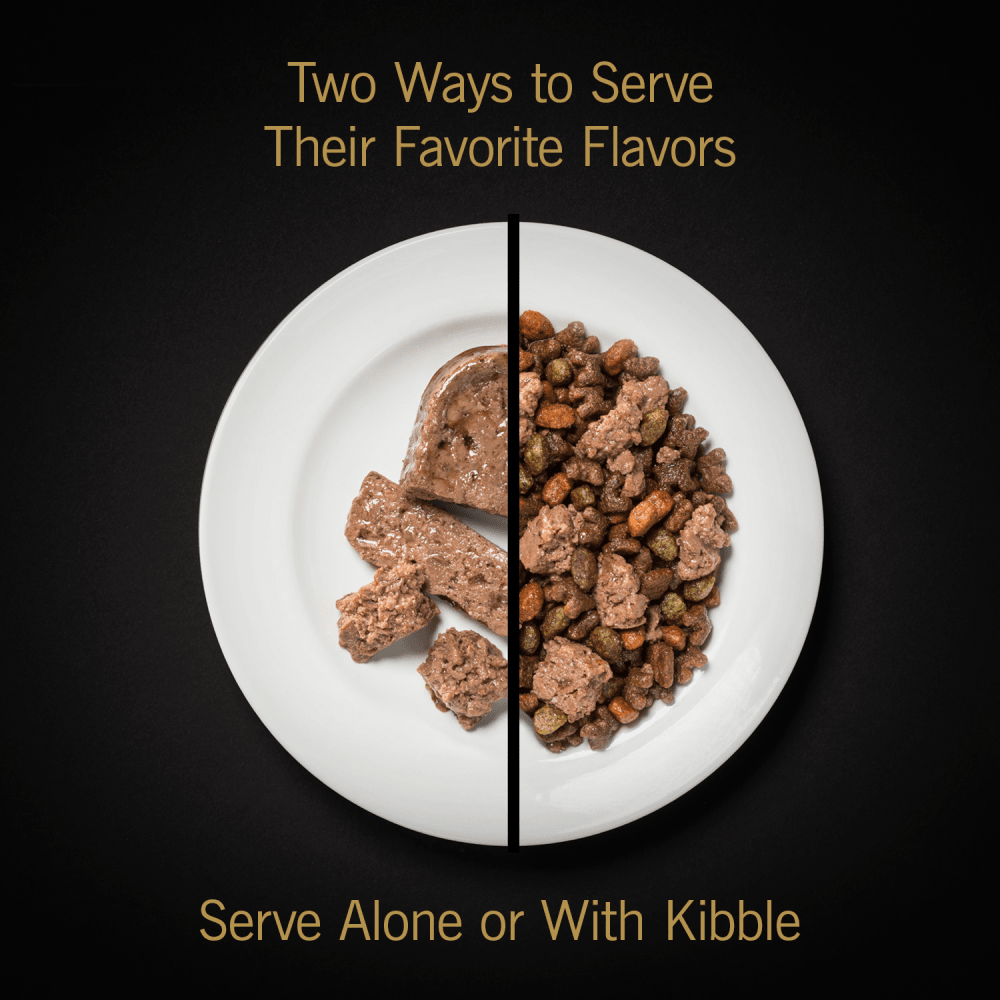
Table of Contents
Mixing wet dog food and dry dog food is safe and beneficial when done correctly. That said, there’s more to consider than just which flavors you’ll give them.
For maximum nutrition and safety, take into account AAFCO standards, nutritional compatibility, portion control, and your dog’s life stage. Here’s what you need to know.
AAFCO Complete and Balanced Standards
To keep your dog feeling their best, always check the food package label for the AAFCO “Complete and Balanced” statement. This ensures that the food has all the protein, healthy fats, vitamins, minerals, and amino acids your dog needs to thrive.
It’s also important to understand that puppies and adult dogs have different nutritional needs and that puppy food is specially made for their fast-growing bodies. Because of that, never give your puppy adult food, and never give your adult dog puppy food unless your veterinarian says otherwise.
If you have any concerns about whether a mixed diet is appropriate for your dog’s needs, don’t hesitate to talk to your veterinarian.
Safety and Nutrition
Mixing wet and dry food is perfectly safe for your dog as long as both options are labeled "complete and balanced" and are the right formulas for your dog.
What's more, feeding your dog a combination of wet and dry food can boost the nutrition in their diet. Wet food provides extra moisture, while dry food promotes dental health.
Portion Control
To maintain your dog's ideal body condition, measure their food carefully when you feed them; don't just guess the amount they need. Always check the feeding guidelines on both the wet and dry labels to find the right balance of each.
With a good plan and a bit of math, you can avoid overfeeding your dog and help them stay fit.
Life Stage
Just like you, your dog’s nutritional needs change as they grow. Puppies are bundles of energy and need extra protein and fat to fuel their rapid growth.
Meanwhile, adult dogs require more of a maintenance diet to stay fit. And, let’s not forget about senior dogs who need fewer calories and extra joint support to lead their best life.
To keep your dog feeling great, always ensure that both the wet and dry foods match their specific life stage before mixing. Mixing foods made for different life stages is not recommended unless guided by a veterinarian.
Feeding Type Comparison Chart
Pros | Cons | |
Dry Food | Convenient, supports dental health, longer shelf life | Lower moisture content, less flavor appeal |
Wet Food | High moisture, palatable, gentle on teeth | Spoils quickly, costlier per serving |
Mixed Feeding | Combines texture, taste, and hydration | Needs portion balance, can overfeed easily |
Benefits of Mixing Wet and Dry Dog Food
Improved Taste and Palatability
The rich aromas of wet food can spark your dog’s appetite, while the savory flavors and extra gravy coat the dry kibble and make every mouthful a treat even for the pickiest eater.
This is especially helpful for dogs recovering from illness who've lost interest in plain kibble.
Enhanced Hydration
Because it’s packed with moisture, wet food is a secret weapon for hydration and is a great way to help dogs get the water they need to stay healthy.
While mixing wet and dry food adds a healthy boost of moisture to your dog’s diet, always keep a bowl of clean, fresh water nearby. And if you have any concerns about health needs that might affect your dog’s hydration, talk to your veterinarian right away.
Mealtime Variety
Combining crunchy kibble with soft, meaty chunks of wet food provides fun textures that stimulate your dog’s senses and get them engaged in mealtime.
Plus, rotating flavors like chicken, beef, or lamb prevents boredom and mimics the variety they’d find in nature. However, keep in mind that even changing the protein source within the same brand can cause stomach upset, so always transition slowly and use caution.
Balanced Nutrition
Feeding your dog a mixture of wet and dry food gives them the complete nutritional profile they need to stay happy and active at any age.
When both types of food are "complete and balanced," your dog gets the essential vitamins, minerals, and nutrients they need as well as a blend of textures they'll love. This combination creates a well-rounded meal that keeps your dog full and satisfied all day long.
How to Mix Wet and Dry Dog Food

Step 1: Determine Daily Calorie Needs
Before you start mixing wet dog food and dry dog food, check the feeding guidelines for the recommended serving sizes of each. These numbers are the perfect starting point to figure out the number of calories your dog needs every day.
For example, if the bag says to give your dog two cups of dry food per day and you want to swap half of that for wet food, you would give them one cup of dry food plus the caloric equivalent in wet food.
Step 2: Choose Wet-to-Dry Ratio
Adjust the ratio of wet food to dry food based on your dog’s tolerance and preference. Keep in mind that your dog may prefer a bit more or less of each type of food, so adjust the ratio accordingly.
Step 3: Gradually Transition Over Several Days
When you decide to mix wet food and dry food, don’t just jump right into it. That can leave your dog with digestive issues. Instead, transition gradually over three or four days by reducing the amount of dry food and increasing the amount of wet food at each meal.
Step 4: Mix Texture and Temperature
To serve up the perfect bowl every time, try one of these two options:
Option A: Layer dry kibble on the bottom and top with wet food to add some new flavor and a bit of crunch at the end of the meal.
Option B: Fully mix wet and dry together for consistent flavor and texture.
You can also experiment with different temperatures, though wet food at room temperature maximizes aroma and flavor profile. With a little bit of practice, you’ll find the mix that’s just right for your dog!
Storage and Freshness Guidelines
To keep your dog's meals safe, only mix what they'll eat right away. Store opened wet food in a sealed container in the refrigerator, and keep dry food in a cool, airtight bin.
If your dog leaves any leftovers in their bowl, throw the extra food away to prevent bacteria from growing.
Share the Love at Every Meal!

Mixing wet and dry dog food is more than just a way to feed your pet. It makes every meal irresistible! By combining the crunch of kibble with the delicious flavors of wet food, you’re feeding your dog a meal that's as nutritious as it is tasty.
Choose one of the wide variety of CESAR® Wet Dog Food options. Try a CESAR® Real Food recipe made with real, wholesome ingredients, and combine it with the balanced crunch of CESAR® Dry Dog Food to see your dog’s tail wag with excitement.
If you have any questions about mixing wet and dry dog food, ask your veterinarian how to proceed. Start slowly, measure carefully, and enjoy the delight that a perfect mixed meal brings to your dog’s day!
Contributor
Jessica Gilliam is a veterinarian with more than 14 years of clinical experience, specializing in small animal medicine. She is passionate about surgery, dentistry, mentorship, and education. Jessica serves as the Community Chair for the Tennessee Market at Banfield and oversees Mars Petcare’s PetConnect chat, which offers free educational support for pet parents. In her free time, she enjoys hiking and baking
References
- https://www.aafco.org/consumers/understanding-pet-food/selecting-the-right-pet-food/
- https://www.fda.gov/animal-veterinary/animal-health-literacy/complete-and-balanced-pet-food
- https://vmc.vet.osu.edu/services/companion-animal-nutrition-support-service
- https://vet.tufts.edu/news-events/news/pet-dental-health-fact-or-fiction
- https://www.frontiersin.org/journals/veterinary-science/articles/10.3389/fvets.2018.00317/full
- https://pmc.ncbi.nlm.nih.gov/articles/PMC9387596/
- https://www.petobesityprevention.org/pet-caloric-needs
- https://www.merckvetmanual.com/management-and-nutrition/nutrition-small-animals/nutritional-requirements-of-small-animals
- https://pmc.ncbi.nlm.nih.gov/articles/PMC6488012/
- https://ovcpetnutrition.uoguelph.ca/2023/09/26/the-scary-truth-about-pet-obesity/