

6 Reasons Why Your Puppy Isn’t Eating
Most of the time your puppy refuses food for simple, fixable reasons, like teething pain, anxiety, or environmental changes. But it can still feel stressful.
This guide covers six common reasons your puppy may stop eating, practical ways to encourage their appetite, and signs you should call your veterinarian.
Disclaimer: Always contact your veterinarian if your puppy hasn't eaten for more than 24 hours, shows signs of behavior change, or if their appetite loss is sudden or severe. Toy breeds need attention after not eating for 12 hours.
Key Takeaways
- Common reasons your puppy may not be eating include stress, teething, an upset stomach, and environmental triggers.
- Typical environmental triggers are a new home, loud noises, overheating, separation anxiety, and relocating your puppy’s feeding area.
- Your puppy may also stop eating if they have a sudden diet switch, if their food becomes stale or cold, or if you’re overfeeding them.
- Health issues to watch for include parasites, recent vaccinations or new medications, or pain that requires your veterinarian's attention.
- Call your veterinarian if your puppy hasn’t started eating again after 24 hours (or 12 hours for toy breeds).
Why Your Puppy Isn’t Eating: 6 Common Causes
Table of Contents
It’s a universal fact: dogs love to eat! So, if your puppy loses interest in their food, you may be concerned. These are the most common reasons your pup might stop eating.
1) Teething or Oral Discomfort
If your puppy is between three and six months old, they might be teething. And it can hurt! When baby teeth fall out and adult teeth start coming in, your puppy’s gums may become inflamed and sore.
How can you know? Some signs to look for include chewing on toys, drooling, and refusing to eat dry, hard kibble.
Try switching to wet food. But know that if your pup’s appetite continues to stay low, it’s OK. Teething-related eating issues won’t last forever. Once your puppy’s adult teeth are in, they’ll dive back into their meals!
2) Stress and Anxiety
Puppies are new in the world, so they’re entering strange environments and situations all the time. These can cause stress and anxiety, both common reasons for a temporary loss of appetite.
If you’ve just brought your pup home, they may feel separation anxiety from leaving their littermates. Your home (their new home) might trigger momentary stress. Give your puppy a few days to acclimate to these changes. They should begin to eat normally soon.
Unexpected loud noises can also cause your pup to lose their appetite. So can meeting new people and new pets, and changes to a predictable routine. Or your puppy might feel stressed when they take car rides, get groomed, or visit the veterinarian.
3) Environmental Factors
For example, if your pup’s food bowl is in a noisy space, they may become overwhelmed at mealtime. Eating near another pet can be intimidating and might cause competitive stress, too. And if they feel too hot or too cold, they may lose interest in their food.
Finally, a change in their feeding space, like moving their food bowl into a new room, can make your puppy feel off-balance.
4) Vaccination or Medication Effects
Don’t be surprised if your puppy loses their appetite after getting routine shots, like vaccinations and deworming treatments. Other medications can cause nausea, which might make food less appealing. Contact your veterinarian if you have any concerns about your puppy's behavior.
5) Food Changes
Some dogs need the consistency of eating the same food at every meal. If this sounds like your puppy, they may lose their appetite when any part of their routine is changed.
For example, if you give them their food straight from the refrigerator, they may refuse it. (Cold food = less aroma, which can be off-putting for some dogs.) Stale kibble can have the same effect. (Stale food = less flavor.)
Even new textures and shapes can make your puppy suspicious! If you need to switch their food, do it gradually. A too-quick transition can give them an upset stomach and put the brakes on their eating.
6) Overfeeding or Too Many Treats
Food outside of scheduled mealtimes can disrupt your puppy’s appetite. But not having scheduled meals and letting them free feed instead can alter their natural hunger cues and make potty training much more difficult. Since puppies usually need to go outside shortly after eating, constant grazing makes it harder to predict when they’ll need a bathroom break.
Try to follow the guidelines on your puppy’s food packaging and ask your veterinarian for age-appropriate portions.
Normal vs. Concerning Appetite Loss
How can you tell the difference between a normal loss of appetite and one that should send up a red flag? Here are common reasons why your puppy might refuse to eat their food, with practical steps you can take to get them back on track.
Appetite Change | What It May Mean | What to Do |
Skips one meal | Stress, distraction, mild upset | Offer next meal as usual |
Eats less during teething | Gum soreness | Soften kibble or offer wet food |
Refuses dry food only | Texture issues, teething | Add water or mix wet + dry |
No food for 12-24 hours | Illness or significant discomfort | Contact your veterinarian |
Toy breed puppy not eating | Risk of low blood sugar | Contact vet promptly |
Is Your Puppy a Picky Eater?
If your puppy is healthy and hungry but unwilling to eat their usual meal, you may have a picky eater on your hands! They might be developing a preference for human food. Or if you’re training them, they may begin to expect treats all the time.
If your puppy has become picky because they’re teething, in the midst of a growth spurt, or adjusting to an environmental change, they should return to their usual routine in a few days.
In the meantime, giving them extras while they ignore their meals could reinforce their picky behavior. Instead, encourage them to eat their regular meals.
If your puppy’s pickiness continues, it’s a good idea to call your veterinarian. It’s important to rule out any medical issues.
How to Help Your Puppy Start Eating Again
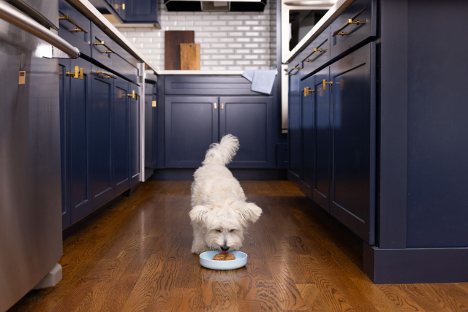
Once you’ve figured out why your puppy has stopped eating, you may be able to help them start again. Here are a few ways to pique your puppy’s interest in their food.
Support Teething Puppies
Try softening your puppy’s dry kibble with warm water and then let it sit for a couple of minutes before giving it to them. Or mix wet food with dry to offset teething discomfort.
Offer your pup a safe teething toy between mealtimes. Chewing on something may soothe sore gums. And it won’t ruin their appetite!
Create a Calm Feeding Environment
If environmental factors are interrupting your puppy’s eating schedule, see if you can create a comfortable, predictable eating routine for them. Feed meals at a consistent time, and remove leftover food after 15-20 minutes to reinforce the idea that mealtime has a time limit.
Place your pup’s food dish in a quiet space away from distractions, noise, and traffic. And you may want to leave while your puppy eats. Sometimes, having an audience watching can make a dog anxious.
Make Food More Appealing
Warming your puppy’s food helps release aromas that may stimulate their appetite and remind them, “Oh yes! I’m hungry!” You can also make sure your puppy’s food is fresh. Store kibble in an airtight container and throw out any stale or expired food.
Mixing wet food into dry food (just like we suggest for teething) adds moisture and flavor that also revs up hunger. Just don’t forget to adjust portions to account for the differences between wet and dry food.
Adjust Portion Sizes and Treats
If you determine that your puppy is overeating human food scraps or treats, eliminate the scraps and cut back on treats until they show more interest in their meals. You want your pup to build an appetite between breakfast and dinner.
Trade treats for pieces of kibble to use as training incentives, and count them toward your puppy’s daily meal requirements to prevent overfeeding. Finally, remember to double-check the right portion size based on your pup’s age, breed, activity level, and weight.
When to Call Your Veterinarian
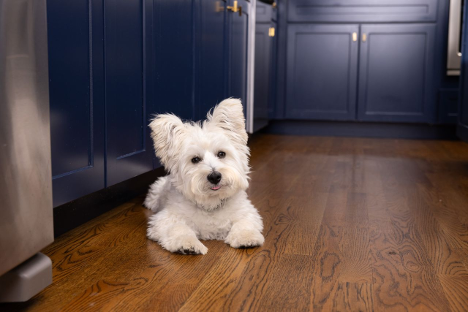
Puppies under 16 weeks old are burning tons of calories, so they can’t afford to miss too many meals. If your puppy is a medium or large breed, you can wait 24 hours from their last meal before calling your veterinarian, as long as they are acting normally. If they are a toy breed, call after 12 hours. However, if your puppy is lethargic or behaving differently, don't wait. Contact your veterinarian right away regardless of when they last ate.
Monitor for Warning Signs
Watch your puppy for various warning signs, and don’t be shy about calling your veterinarian if you’re worried about anything. Here’s what to look for.
- Physical changes: Pay attention if your puppy is vomiting, has diarrhea, or has lost weight.
- Behavior changes: Look for lethargy, whimpering, hiding, and a reluctance to move.
- Dehydration: Signs of dehydration include dry gums, loss of skin elasticity, and reduced urination.
Skip home remedies and go straight to your veterinarian if you see any of these warning signs. And always connect with them if you’ve got any questions, concerns, or gut feelings. Your puppy is depending on you!
Help Your Puppy Love Mealtime with CESAR® Wet Recipes
Once you figure out why your puppy isn’t eating, you can take steps to try to solve the problem. And we can make those steps easier!
Give your puppy CESAR® Wet Dog Food to jump-start their taste buds and make eating easier. Try adding it as a topper to your picky pup’s usual meals to support environmental changes or temporary teething. Mix it with kibble to spark your puppy’s appetite, too.
All CESAR® puppy and adult wet (and dry) foods are full of nutrients, highly digestible, and designed to be delicious! Draw your dog back to their bowl with any one of our many meal choices.
References
https://www.akc.org/expert-advice/health/puppy-feeding-fundamentals/
https://www.avma.org/resources/pet-owners/petcare/your-pets-healthy-weight
https://www.aaha.org/resources/2022-aaha-canine-vaccination-guidelines/
https://www.aspca.org/pet-care/dog-care/general-dog-care
https://www.akc.org/expert-advice/puppy-information/timeline-of-puppy-teething/
 Click the chat button to ask a Question or chat with an Advisor!